The Quiet Architecture of a Morning Stretching Sequence
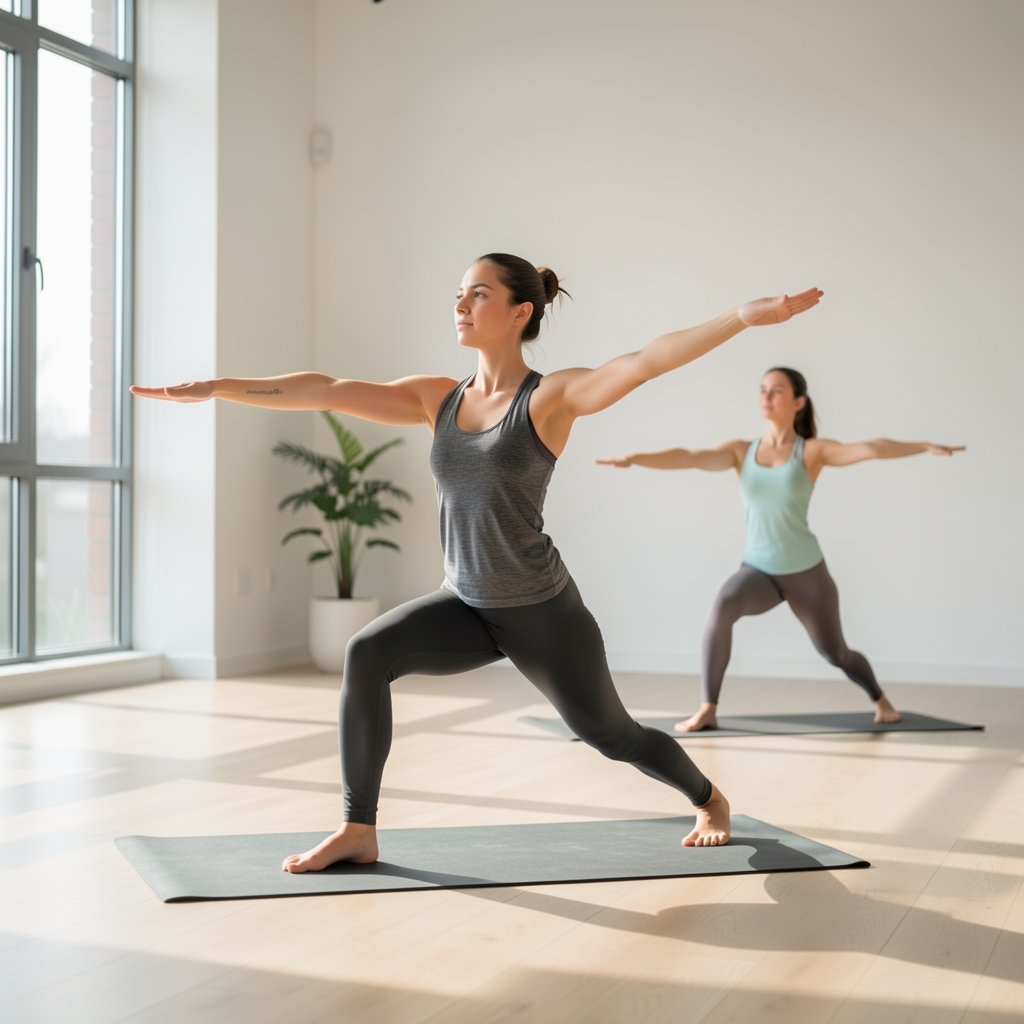
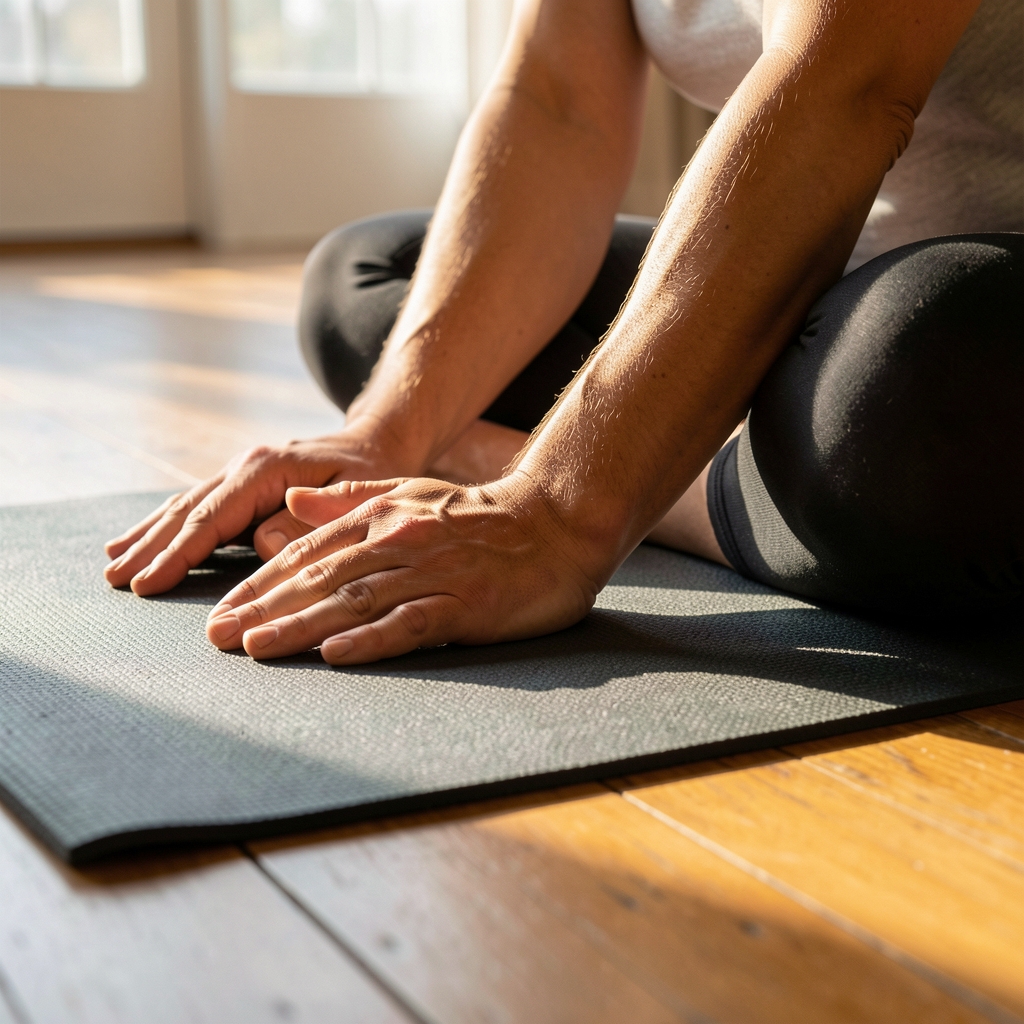
Before the day acquires its noise, there is a window of particular usefulness. A considered stretch sequence occupies that window without demanding anything dramatic from the body or the clock.
An independent editorial journal on yoga practice, mat routines, and the quiet discipline of building a daily stretching habit. Observations from the studio and the living room floor.
Read the Journal
Before the day acquires its noise, there is a window of particular usefulness. A considered stretch sequence occupies that window without demanding anything dramatic from the body or the clock.
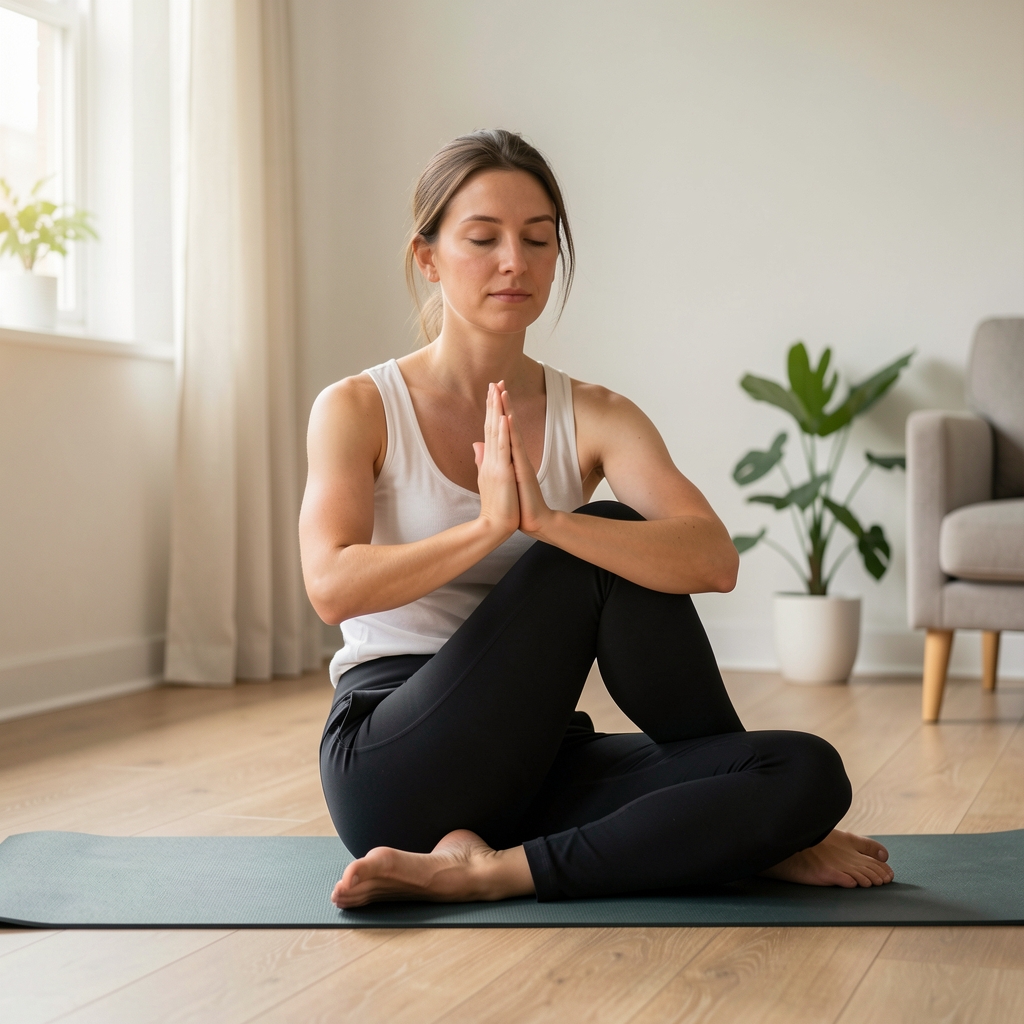
A desk-bound afternoon calls for a set of seated poses that ask little of the surroundings but return the spine to a more considered position.
Within a broader movement routine, the least active poses often carry the most sustained effect on joint mobility and the quality of breath.
Notes on building a consistent mat practice outside the studio — sequencing, props, and the discipline of showing up on a Tuesday morning.
Articles grounded in published biomechanics research on how range-of-motion responds to consistent, low-intensity daily stretching.
Observations on yogic breathing patterns — pranayama frameworks, breath-to-movement coordination, and the role of exhale in a forward fold.
Standing and seated alignment as an ongoing conversation between habitual posture and deliberate counter-movement — not a fixed destination.
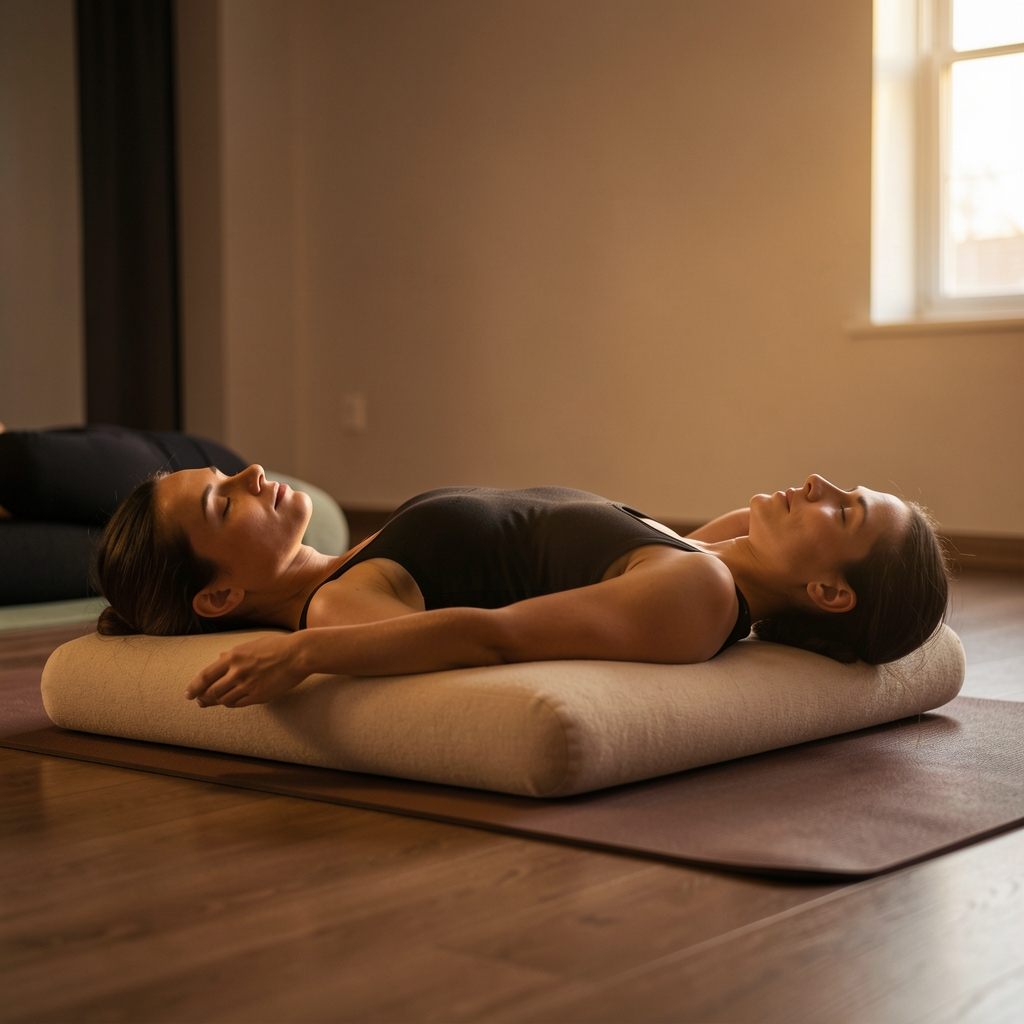
The quieter end of the yoga spectrum: bolster-supported shapes, extended holds, and the value of doing remarkably little, slowly.
Long-form observations written for those arriving at yoga for the first time — without recommended ambition, without the pressure of a six-week transformation narrative.
Oranev Letters is an independent editorial publication. It was founded on the observation that most writing about yoga and stretching exists at the extremes — either highly instructional or aspirationally spiritual. This journal occupies the quieter middle: considered, evidence-informed, and unhurried.
Articles are reviewed by a second editor before publication. Sources are cited. Writers disclose relevant interests. The publication is not affiliated with any studio, brand, or institution.
About the PublicationOranev Letters publishes work from a small group of writers with backgrounds in movement education, biomechanics research, and long-form editorial journalism. Contributors are named and their relevant interests are disclosed at the foot of each article.
Most articles are written to be accessible to readers at any point in their practice — from those rolling out a mat for the first time to those with an established daily sequence. Where a topic requires prior familiarity with a posture or technique, the article notes this clearly at the start.
The journal publishes two to three long-form articles per month. The editorial calendar prioritises depth over frequency — each piece goes through a two-editor review process before it appears on the site.
Oranev Letters is an independent editorial publication not affiliated with any commercial, governmental, or institutional body. Where articles reference specific props, books, or resources, writers disclose any relevant relationships in a note at the end of the piece.
The editorial team occasionally commissions work from guest writers with specialist knowledge in a particular area of movement or yoga tradition. Unsolicited pitches may be submitted by email — please include a brief description of the proposed topic and your relevant background.