ABOUT THE PUBLICATION
That particular notebook became an editorial journal in 2023, when it became apparent that the observation it contained had more in common with the essay form than with the how-to article. The writing was concerned with what a body actually experiences across months of daily stretching practice — the small shifts in range of motion, the changes in the quality of breath, the way a forward fold begins to feel like a familiar place rather than a boundary.
Oranev Letters is an independent editorial publication focused on everyday wellness practices. The publication is not affiliated with any commercial, governmental, or institutional body. It accepts no advertising from yoga equipment brands, supplement companies, or studio operators. Its only financial relationship is with its readers.
The journal publishes two to three long-form articles per month. Each is reviewed by a second editor before publication. Corrections are noted publicly when they occur. Writers disclose any commercial relationships that could influence their subject matter.

Eleanor has practised yoga for eleven years and holds a postgraduate qualification in sports science. She writes on the intersection of movement science and everyday practice, with particular interest in flexibility training and morning routines.

Tobias writes on posture, seated stretching, and the ergonomics of working life. His background is in architectural practice — a field that informed his interest in how the body inhabits and responds to the spaces it occupies across a working day.
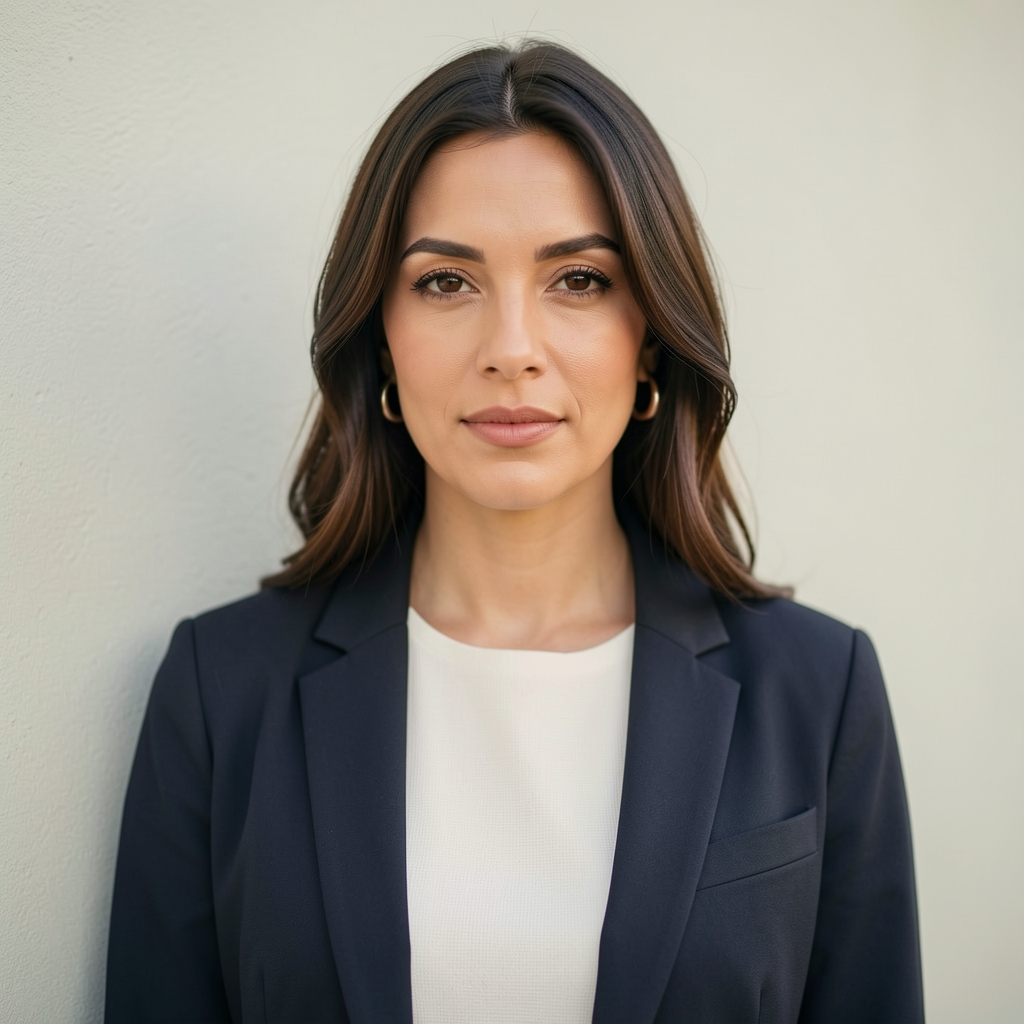
Harriet is a movement educator based in Bristol with a background in restorative yoga and breath work. She contributes occasional long-form pieces on topics at the slower end of the movement spectrum — held poses, deliberate rest, and the logic of doing less.
Every article is reviewed by a second editor before publication. This review covers factual accuracy, structural coherence, and compliance with the journal’s editorial standards.
Where an article references published research, the source is cited in the text or in a note at the end of the piece. We do not cite unpublished claims or manufacturer statements as evidence.
When an error is identified in a published article, a correction note is added to the article page with a brief description of what was changed and when. Corrections are not silently applied.
Writers disclose any commercial relationships that could influence their selection of subject matter or their assessment of a resource, product, or practice mentioned in the article.
Oranev Letters accepts no advertising from studio operators, equipment manufacturers, or wellness brands. The editorial calendar is set by the writing team, not by commercial partners.
Oranev Letters is an independent editorial publication focused on everyday wellness practices. It is not affiliated with any commercial, governmental, or institutional body.
Oranev Letters is not a tutorial platform. It does not publish step-by-step instructional sequences in a numbered format. It does not promise that following a particular routine will produce particular results in a particular number of days.
Articles published on Oranev Letters are editorial in nature and reflect the writers’ observations on everyday movement practices. The content is not intended as professional advice, nor as guidance for the management of any specific condition. Readers with specific concerns about their daily routines are encouraged to speak with a qualified wellness professional.
What the journal does offer is considered long-form writing on the experience of building a stretching or yoga habit — the observable patterns, the documented research that relates to them, and the editorial questions worth sitting with: why does range of motion change? What role does breath play in a held pose? What is the relationship between daily consistency and the quality of a movement practice over years?
These are not questions with simple answers. The journal is not in the business of providing simple answers.